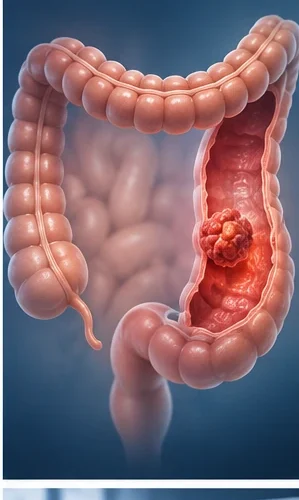
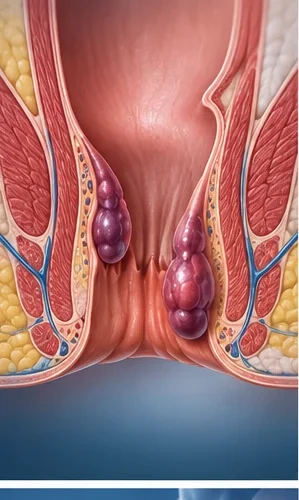
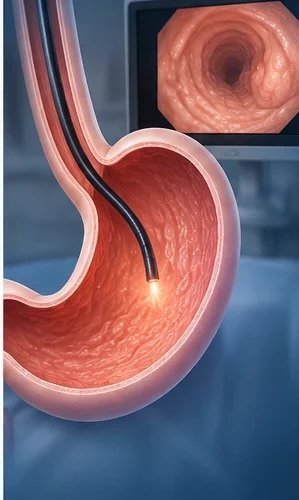
Colonoscopy uses a flexible camera to examine the inside of the large bowel. It is used to investigate symptoms, detect polyps, take biopsies and support colorectal cancer screening.
When should you be assessed?
- Blood in the stool or rectal bleeding
- Persistent changes in bowel habits
- Iron-deficiency anaemia without a clear cause
- A positive FOBT result
- A history of colorectal polyps or cancer
- Screening based on age and risk
How is it assessed?
- Pre-procedure assessment
- Bowel preparation with prescribed cleansing medication
- Review of blood-thinning medication, diabetes treatment and existing medical conditions
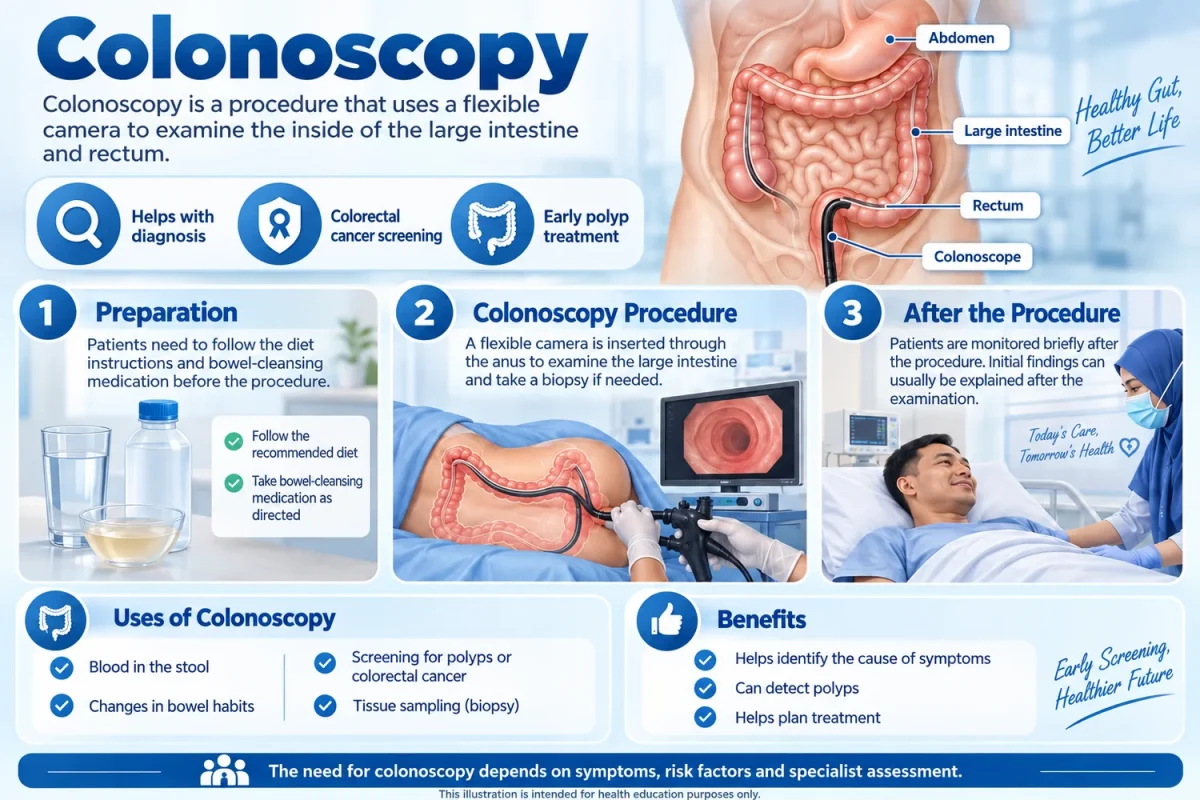
During the Procedure
- During colonoscopy, the doctor can inspect the bowel lining, take biopsies and remove many types of small polyps. Sedation may be used for comfort. After the procedure, the findings and next steps will be explained.